
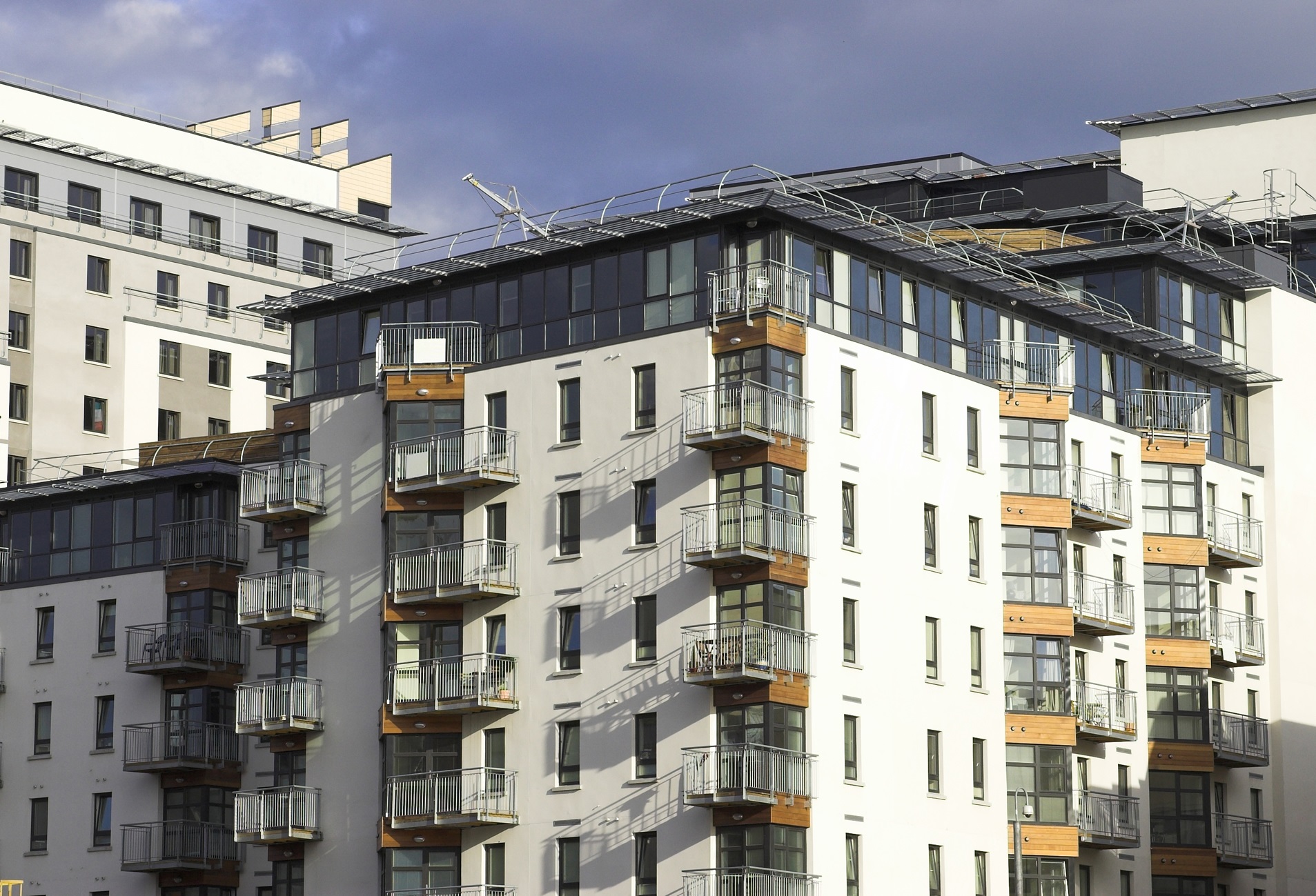
Radical reforms of stamp duty announced during this year’s Autumn Statement have triggered a surge in high-end property deals.
The Chancellor George Osborne made the changes to the existing system the centrepiece of his last announcement before next May’s general election.
Under the proposals stamp duty will no longer be a so-called ‘slab tax’ – a system in which stamp duty increases when a house’s price surpasses a certain p thresholds – but shall instead become a graduated tax, in which the appropriate threshold rate applies on the value of a property up until the next threshold.
For example a person buying a £250,000 home, they would pay no stamp duty on the first 125,000 and then 2% on the next 125,000.
Following on from that initial rate, people will pay 5% on the portion of a property’s value up to £925,000 and 10% on the portion of a property’s value up to £1.5m. Any properties above this will pay 12% on the remaining value after £1.5m.
These unexpected to stamp duty were welcomed in the whole and it is claimed that as many as 98 per cent of buyers could benefit, with the average person saving up to £4,500 on their transaction.
However, within hours of the details emerging, estate agents in London and the South East reported a surge in customers “panic buying” expensive homes, before the new rates could come into effect.
This manic rush to buy property could become a regular thing as property experts expect prices to climb by 30 per cent by 2020, leading to fears that, unless the bands are adjusted, an increasing number of people will be stung by the increased rates.